Texxas Power · Commercial Standby Power
An outage costs every kind of business something different — lost inventory, a lost sale, a guest who won't come back. Texxas Power installs standby power for offices, retail, multifamily, hospitality, warehouses, manufacturing and event spaces across Fort Worth, Dallas, Southlake and the rest of North Texas.
The difference
A hotel loses guest confidence during the stay that matters most. A warehouse loses inventory that can't be re-frozen. The building type changes what's actually at stake; the question is always the same: which systems in your building cannot afford to go dark.
Many commercial occupancy types are already required under the Life Safety Code to keep egress lighting and fire alarm systems powered during an outage, whether or not the building has a full standby system. That baseline requirement is a useful starting point, not the ceiling: most owners we work with want enough power to keep the business running, not just the exits lit.
Know where you stand
This page covers too many kinds of property for one law to cover all of them. Two real ones are worth knowing, and neither mentions a generator by name.
Multifamily
Texas Property Code Section 92.052 requires a landlord to make a diligent effort to fix a condition once a tenant reports it, if it materially affects health or safety. That duty generally doesn't cover problems beyond the landlord's control, which a grid-wide outage usually is. The exposure around elevators, access control and HVAC in extreme heat is real; it isn't a legal mandate to own a generator.
Retail and food service
Texas's Food Establishment Rules require temperature-controlled holding for refrigerated inventory. What counts as an acceptable outage window before product has to be discarded is enforced at the local health department level, which is worth a direct call to your specific city or county authority rather than a number we'd be guessing at here.
The site assessment
A specific look at your building and what actually has to keep running, not a generic quote.
We identify what actually needs to stay on: life safety circuits, refrigeration, elevators, point-of-sale and server systems, or a production line, so the system we recommend matches your business, not just your square footage.
We check your panel's capacity and layout and your gas supply and meter capacity, to confirm what the site can support before anything is sized.
We plan the generator and pad location against clearances for windows, doors, fresh-air intakes and service access, matched to a property that's already built, landscaped and operating, whether that's a retail strip in Frisco or an apartment community in Plano.
We scope the permitting path for your specific city before anything is quoted, since requirements and turnaround vary by jurisdiction across the metroplex.
How it runs
A free, no-obligation visit to look at your panel, your gas supply, and the realistic pad locations on your site, so we size the system honestly instead of guessing.
Our team reviews what the site visit found before anything is filed with the city, so the permit application matches what's actually on your property.
We pull the permit and schedule the inspection. Timing varies by city, your utility's schedule, weather, and equipment delivery, not a fixed number of days.
Pad, gas line, electrical and transfer switch go in. A dig test runs before any trenching starts, so what's already buried is known before anything is cut, and anything outside the original quote gets your written approval before work starts on it.
The generator is registered under the manufacturer's warranty and started up.
We show you how to run the system and what to watch for, then cut power on purpose and confirm it carries your load while you're standing there.
Recent install
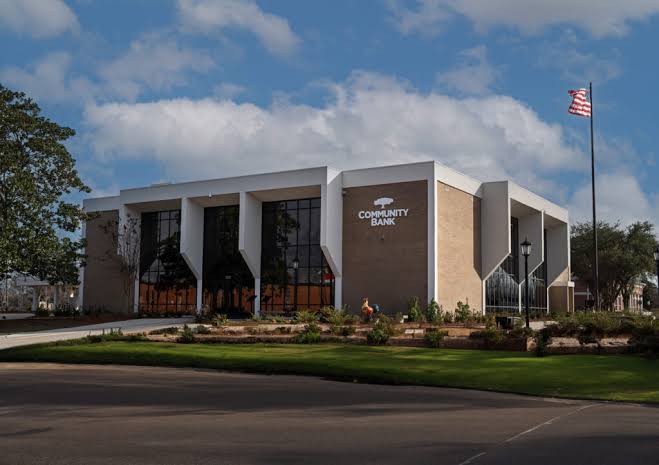
Power outages kept interrupting daily business at this Bridgeport bank branch, cutting off teller systems with no warning each time. Texxas Power sized a 150 kW Kohler standby generator to the branch's full electrical load and installed it with a buried propane supply, since the site had no practical natural gas access, without shutting the branch down for its customers to get it done.

That's a decision, not a default. Some owners want whole-building coverage; others want life safety, refrigeration, or a specific system covered and nothing more. We size around what you actually tell us matters during the site assessment.
Most commercial buildings are not required to install a full standby generator. Many occupancy types are required to keep life safety systems, like egress lighting and fire alarms, powered during an outage under the Life Safety Code, which is a separate and smaller requirement than a whole-building system.
Our largest commercial project to date is a 200kW installation at a bank. Scope varies widely below that depending on the building and the load.
That's what the site visit is for: understanding your layout, your hours and your operations before anything is scheduled. Our Bridgeport bank install went in on an already-operating site, and anything outside the original quote needs your written approval before we touch it.
We work with whoever is making the decision for the property, whether that's an owner, a property manager, or a facilities lead. Multifamily and multi-tenant properties are common work for us.
Once equipment arrives on site, installation typically runs three to five weeks. Permitting is usually the step most likely to take longer than expected, and it varies by city.
Free site assessment
Tell us about your building and what has to keep running. We'll walk you through what an install actually looks like on your site.
Texxas Power Home Services LLC · Texas Electrical Contractor License #41809
Tell us about the facility. We'll come back with next steps.